

Ask an FPE | Series
In This Post:
- Three common misconceptions about building and fire code compliance
- Consequences of these misconceptions
- How early-stage code analysis protects your project timeline, budget, and risk posture
Whether you’re a developer acquiring an older property, a property manager overseeing a tenant buildout, or an architect coordinating a complex renovation, the assumptions you bring to code compliance will shape your project outcomes.
And some of the costliest delays and budget overruns we see at Sparc aren’t caused by small project inefficiencies or design gaps. They’re caused by misconceptions about when, how, and by whom fire and building code requirements should be addressed.
This installment of “Ask an FPE” uncovers three of the most common misconceptions and what it costs when they go unchallenged.
Misconception 1: “We’ll Bring in the Fire Protection Engineer When We’re Closer to Permit”
This is the most common and most costly misconception we encounter.
By the time a project is approaching permit readiness, the design is largely set, the budget is locked, tasks have been delegated, and the schedule has been built around specific installation and inspection deadlines. Introducing a fire protection engineer at that stage doesn’t give them room to prevent problems. It gives us a front-row seat to ones that could have been avoided.
Building and fire code consulting adds the most value at the beginning of a project — during schematic design or even pre-design — when there’s still flexibility to make decisions that affect cost, schedule, and compliance strategy. Early code analysis helps identify:
Which code edition applies, and what requirements are triggered by the scope of work
● Whether a performance-based design approach might offer more flexibility than a prescriptive one
● What specialty systems (fire alarm, suppression, smoke control) will need to be addressed and in what sequence
● Whether phased implementation or FDNY coordination will be required
Getting those answers early protects your timeline, your budget, and your risk posture.
Misconception 2: “The Building Was Up to Code When It Was Built”
This sentiment is understandable, but it’s almost never representative of the full picture.
Code editions change over time. More importantly, any significant renovation or change of use can trigger requirements tied to the current code, not the code edition in effect when the building was originally constructed. A building that was fully compliant in 2005 may have meaningful gaps relative to today’s requirements, particularly when it comes to fire alarm systems, smoke control, and suppression.
In New York City specifically, recent regulatory updates have made this even more pronounced. NYC DOB Buildings Bulletin 2024-001 clarified which types of fire alarm work in existing buildings require new filings, what qualifies as a system technology upgrade versus a full replacement, and what triggers current-code compliance requirements.
Other jurisdictions have seen similar shifts. Connecticut, for example, has adopted requirements that retroactively mandate sprinkler installation in certain existing building types.
If you’ve recently acquired a building or are planning a renovation, the question isn’t just “Was this building compliant when it was built?” It should be, “What does today’s code require of this project?”
Misconception 3: “Our Architect Can Handle Code Compliance”
Architects know an extraordinary amount. A good one is indispensable to a complex project. But fire and building code translation is a deep technical specialty — one that requires ongoing education, regular collaboration with Authorities Having Jurisdiction (AHJs), and functional fire protection engineering solutions.
It’s not a criticism of architects to say that fire protection engineering is outside their lane. It’s the same logic that applies to any other specialty. You wouldn’t expect the electrical engineer sizing your lighting and power systems to also know the detailed ins and outs of a fire alarm system design or to stay current on FDNY bulletins, NFPA 72 amendments, and jurisdictional interpretations of code language.
Fire alarm consulting and code analysis are disciplines that require practitioners who work in them daily. When a code question arises, particularly one involving how building systems interact, the answer matters too much to rely on someone who doesn’t work through fire protection engineering conflicts daily.
This is especially true on projects involving interconnected systems: detection, notification, smoke control, and suppression. Understanding how those systems perform in real-world scenarios, not just on paper, shapes better upstream decisions about system design, contract scope, and overall budget.
What Are the Consequences of These Misconceptions?
It’s worth understanding what late-stage code discovery looks like in practice.
On existing building projects, especially, we frequently see teams that haven’t budgeted for specialty system upgrades or interconnected functionality. Typically, they assume that if work is confined to one area, the surrounding spaces and systems won’t be affected. Then, they find out from the existing vendor or their MEP engineer that the system can’t do what they need, and the compliance challenges snowball.
Your project team might run into:
Delayed occupancy. A misalignment with International Building Code (IBC), International Fire Code (IFC), or jurisdictional requirements discovered late often can’t be resolved overnight.
You’ll need to develop a code-equivalency plan, get it approved by the Authority Having Jurisdiction (AHJ), and reassess resources. That process is time-consuming and almost certainly wasn’t built into your schedule. For projects requiring a Temporary Certificate of Occupancy (TCO), something as small as a single open item on the punch list or an under-documented design change can delay the finish line.
Budget overruns. System replacements and expedited engineering services cost significantly more than getting it right the first time.
When a fire alarm control panel needs to be replaced mid-project, or when interconnected systems need to be redesigned to meet current code, those costs compound quickly. To catch these issues before they become expensive problems, the design, review, and oversight of fire protection systems should be early-stage considerations.
Redesign and rework. When a code requirement surfaces after design is largely set, somebody must go back to address the discrepancy. That usually means the architect, the engineer, and the contractor are all affected. But because each planning and budgeting decision is meticulously scoped in complex building projects, there may not be enough runway to revisit multiple systems and bring back all the different contractors.
How Can Early-Stage Code Analysis Protect My Project Timeline?
The teams that navigate code compliance most efficiently aren’t the ones that hire the most engineers. They’re the ones who bring the right expertise in at the right time.
When fire protection engineers are involved from the early stages, they can help the project team understand what’s required before design assumptions harden. They can identify whether performance-based design offers a viable path where prescriptive code requirements might otherwise be impractical. They can also coordinate with AHJs early, reducing the likelihood of unexpected interpretations late in the process.
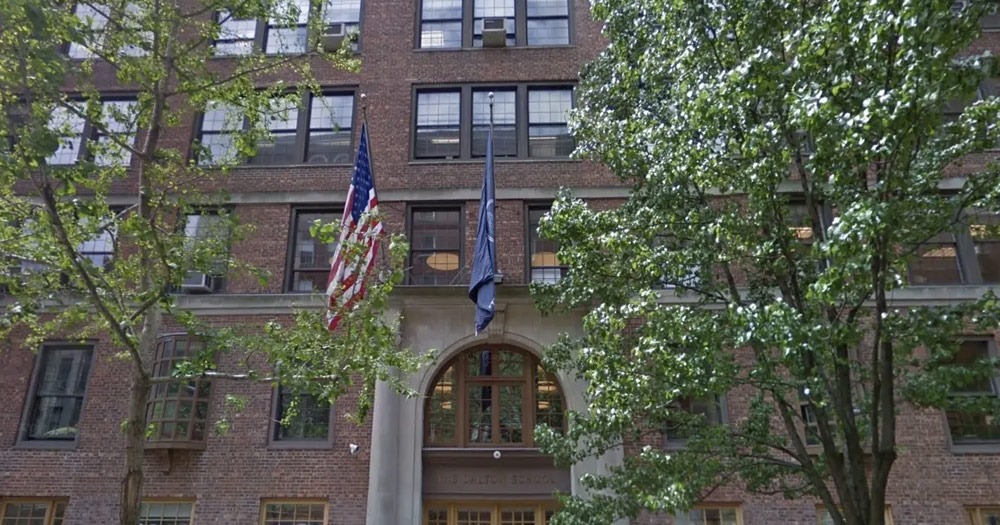
For projects involving occupied buildings (like schools, healthcare facilities, multi-tenant commercial properties), early coordination is especially valuable. The Allen-Stevenson School project in Manhattan is a useful example: a phased vertical expansion of interconnected buildings, with complex fire alarm and ARCS requirements, coordinated across multiple commissioning phases to keep the school operational throughout construction. That kind of sequencing didn’t happen by accident. It happened because the right expertise was at the table early.
One Piece of Advice for Anyone Planning a Construction Project
Get experts involved early, before design decisions are made that will be expensive to revisit.
Unless you’re working on a federally funded project, a fire protection engineer isn’t mandated. But code language is complicated, technologies will only continue to evolve, and the cost of not knowing compounds quickly. The questions you don’t know to ask at the beginning of a project have a way of becoming the problems you’re solving at the end of it.
Exploring compliance paths for your renovation, acquisition, or new development? Get in touch with a Professional Engineer.
This post is intended for educational purposes only. Please refer to the latest ICC, NFPA, and local jurisdictional documents to understand current building and fire code requirements. Consult a licensed fire protection engineer for guidance specific to your project.
About the Author
Steven Venditti, P.E. President | Sparc
Steven Venditti, P.E., has a Bachelor of Science and a Master of Engineering in Fire Protection Engineering from the University of Maryland. Mr. Venditti is a Professional Engineer (P.E.) licensed in multiple states. He has over 21 years of experience in fire protection engineering, including sprinkler and fire alarm system design, performance-based design of smoke control systems utilizing computer fire modeling, as well as fire investigations, code consulting, and interpretation. He has applied these skills to various facilities, such as office buildings, hotels, assembly spaces, and mixed-use complexes. Mr. Venditti has extensive expertise and knowledge of various codes and design standards, including NFPA, IBC, and local building codes.