
BESS carries unique fire risks. Sparc helps you meet them.
Battery energy storage systems (BESS) introduce a unique fire risk profile that differs fundamentally from traditional hazards. Thermal runaway, gas generation, delayed ignition and re-ignition potential require purpose-built fire protection and emergency planning. Sparc specializes in drafting and implementing the complex, layered fire protection plans required to meet applicable codes, standards and AHJ expectations so your project can be approved.

Why BESS-specific planning matters
Traditional fire protection assumptions do not fully address how potential lithium-ion battery failures behave in real-world conditions – requiring strategies that address detection timing, hazard mitigation and firefighter safety, not just the approach to a fire event. As a result, codes, insurers and fire authorities now expect purpose-designed fire protection strategies for BESS installations. Sparc covers all the bases for BESS, addressing:
- Emergency management planning
- Alarms & detection
- Hazard mitigation analysis
- BESS fire suppression strategy (NFPA 15 water spray systems, etc.)
- And more
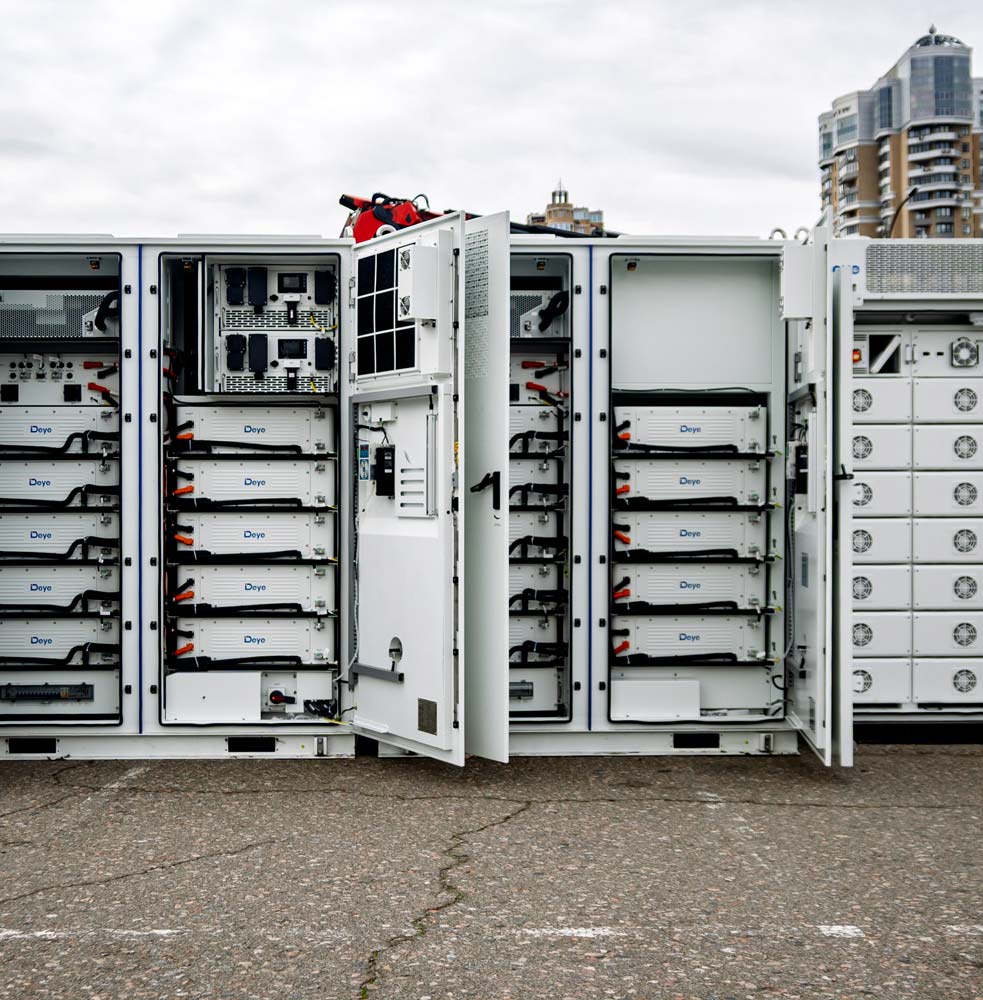
Emergency management planning for BESS installations
A BESS emergency management plan defines how fire events are handled before, during and after an incident. Many jurisdictions require an EMP as part of permitting or operational approval.
Our BESS EMPs include:
- Response procedures for thermal runaway events
- Fire department coordination and site access planning
- Alarm, notification and escalation protocols
- Evacuation and exclusion zone planning
- Post-incident monitoring and re-entry considerations
- Decommissioning plans

When BESS incidents happen, Sparc Energy is ready
- Emergency management plan development tailored to your BESS installation
- On-site emergency response and incident management support
- Decommissioning and recommissioning following a BESS incident
- First responder training covering BESS-specific hazards and protocols
- Subject matter expert representation at AHJ and planning board hearings
- FDNY B-28 Certificate of Fitness for BESS facilities
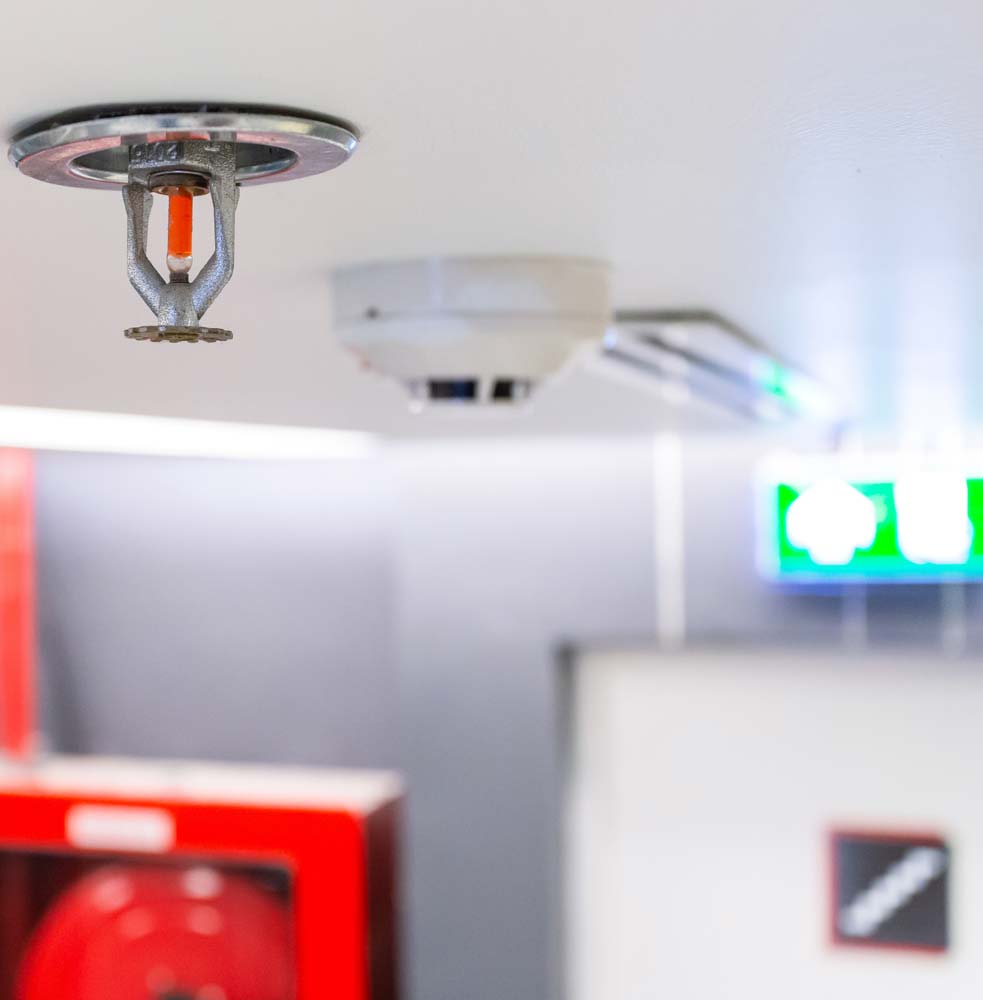
BESS fire alarm & detection systems
Early detection is critical for BESS facilities due to the speed and unpredictability of thermal runaway in lithium-ion systems. We provide comprehensive support for:
- BESS-focused alarm system design and code compliance
- Detection strategies appropriate for BESS
- Alarm zoning and response sequencing
- Integration with suppression and ventilation systems
- Coordination with firefighters and emergency personnel

Hazard mitigation analysis for BESS
HMAs identify potential failure modes in BESS facilities, providing information critical to fire and life safety planning. Our BESS hazard mitigation analyses include:
- Credible failure mode identification
- Assessment of thermal runaway propagation risk
- Evaluation of gas generation and overpressure risk, and ventilation needs
- Analysis of separation distances and spatial layout
- Alignment and integration with required safety factors and mitigation measures
- Technical justification for AHJs

BESS fire suppression strategies & plans
BESS fire suppression requires a unique mix of detection and an appropriate approach to fire mitigation and spread where required (clean agent/chemical suppression, suppression system, and water management). And because failure modes vary significantly, no single system is adequate. We provide guidance and planning for layered strategies, coordinating multiple systems to maximize efficacy and safety.
Services
BESS Fire Protection & Suppression Services
BESS is a critical component of the modern electrical grid – but one that carries real and unique risks. Sparc helps you account for and mitigate these, while staying compliant with relevant codes, standards and AHJ requirements.
- BESS fire protection planning and technical documentation
- Code interpretation, AMMR, and performance-based design
- Development and coordination of emergency management plans
- Hazard mitigation analysis and associated technical narratives
- Fire Access Road Variance Submissions
- FDNY TM-2 Certificate of Approval
- FDNY TM-1 Site Specific Applications
- Planning and implementation of BESS-focused fire detection and suppression systems
- Fire department and AHJ coordination and communication
- Assistance with commissioning readiness and acceptance testing
- Emergency response and preparedness
- Decommissioning plans and witnessing decommissioning
- Subject matter expert and FNDY B-28 Certificate of Fitness

Battery energy storage system peer review
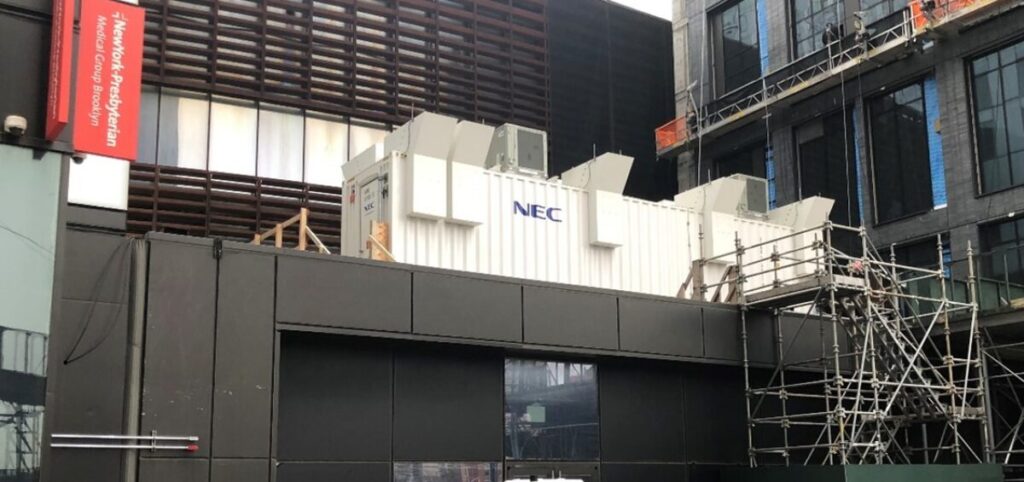
Sparc conducted a comprehensive peer review of the battery energy storage system, ensuring total compliance with NYC Fire Code and FDNY Rule 608-01. Our strict understanding of the FDNY Form TM-2 product submission process resulted in the successful issuance of the Certificate of Approval.
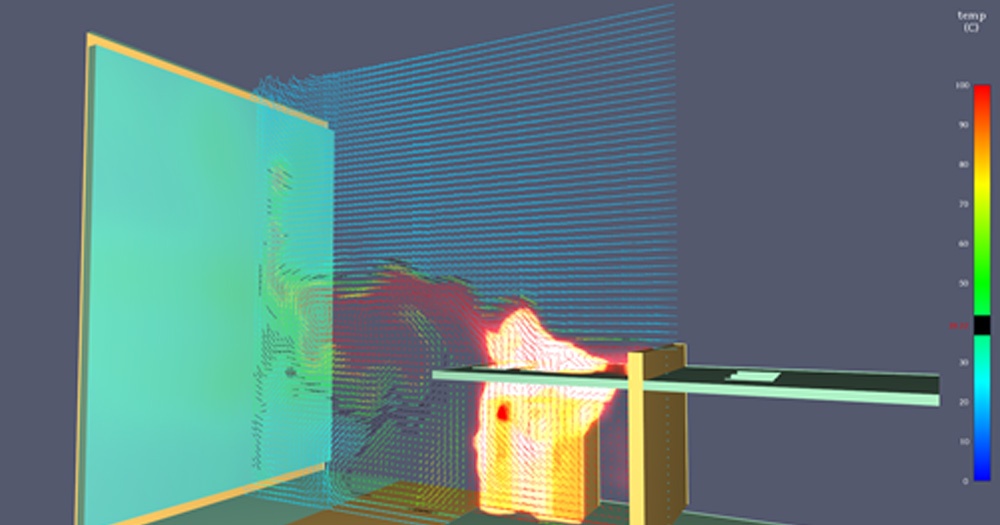
Battery energy storage system exposure analysis
Sparc utilized performance-based design and CFD modeling to evaluate fire risks associated with the deflagration vents. The analysis demonstrated that the adjacent buildings met the performance criteria, resulting in the approval of the BESS location.

Frequently asked questions
Get answers to commonly asked questions related to building and fire code consulting:
Battery energy storage systems present unique fire and life-safety hazards that are not fully addressed by traditional building fire protection approaches. Due to the nature of lithium-ion batteries, BESS incidents can escalate differently than conventional electrical or fuel-based fires; they can involve thermal runaway propagating from cell to cell, rapid heat release, flammable gas generation, delayed or secondary ignition, and extended cooling periods after an event. That means that BESS fire protection should focus on early detection, hazard mitigation, responder safety and realistic suppression expectations, not just extinguishment.
BESS fire protection is addressed by several widely adopted codes and standards, including:
- NFPA 855 (Installation of Stationary Energy Storage Systems)
- IFC Section 1207
- UL 9540A (Test Method for Evaluating Thermal Runaway Fire Propagation in Battery Energy Storage Systems)
Most jurisdictions reference or adopt these standards and methods, often with local amendments and AHJ-specific expectations.
BESS have unique fire protection requirements. Sparc guides your team through the NYCDOB and FDNY filing process, requests and inspections to ensure BESS projects can move forward with complete confidence in fire and life safety considerations. Outside of NYC, Sparc can ensure your project meets the applicable codes, meet with Authorities Having Jurisdiction to discuss the project, and provide subject matter expertise at planning board and similar hearings supporting your application.
No. Suppression is only one part of an effective BESS fire protection strategy. In fact, the more widely acceptable approach is not suppressing, but mitigating propagation to adjacent BESS and structures. While this approach can help manage fire conditions, it does not eliminate thermal runaway propagation, gas generation and overpressure, or reignition potential.
A comprehensive approach to BESS fire safety also includes detection, hazard mitigation measures, ventilation considerations and emergency management planning.