
Reduce risk with proven emergency planning
Ensure you’re ready for a range of catastrophic events with an expert-designed emergency response plan. The Sparc team has a deep understanding of NYC emergency preparedness plans, including Tenant Protection Plans, Comprehensive Fire Safety/Emergency Action Plans, Fire Safety & Evacuation Plans, and Fire Protection Plans.
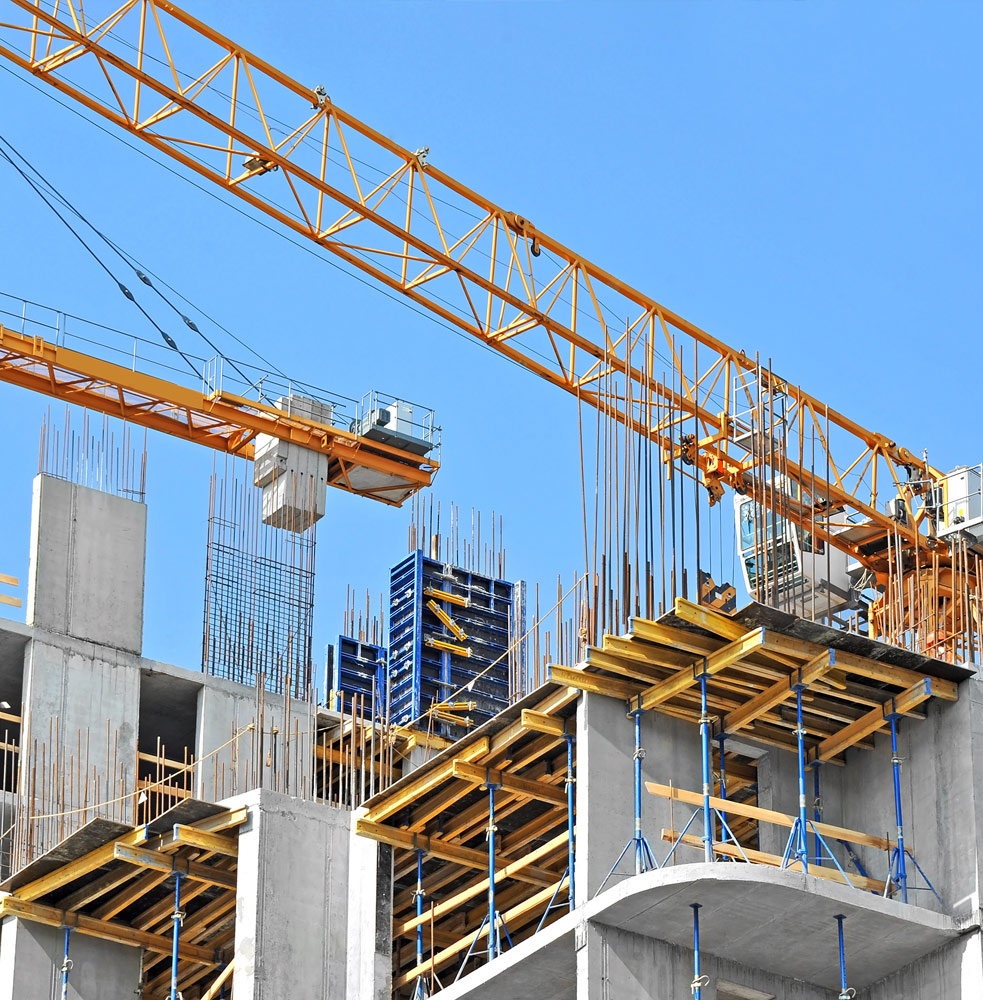
Managing construction-phase fire risk under NFPA 241
Construction, demolition, and major renovations introduce elevated fire risk when permanent fire protection systems are impaired or incomplete. NFPA 241 addresses these conditions, but checklist compliance often leaves gaps.
Sparc develops project-specific NFPA 241 fire safety plans with Fire Departments and Contractors, aligned to site conditions and phasing. Our plans maintain life safety while permanent systems are out of service or evolving. In the end, you get a clear, compliant construction-phase fire safety program that:
- Reduces risk
- Supports inspections
- Keeps projects moving safely from groundbreaking through occupancy
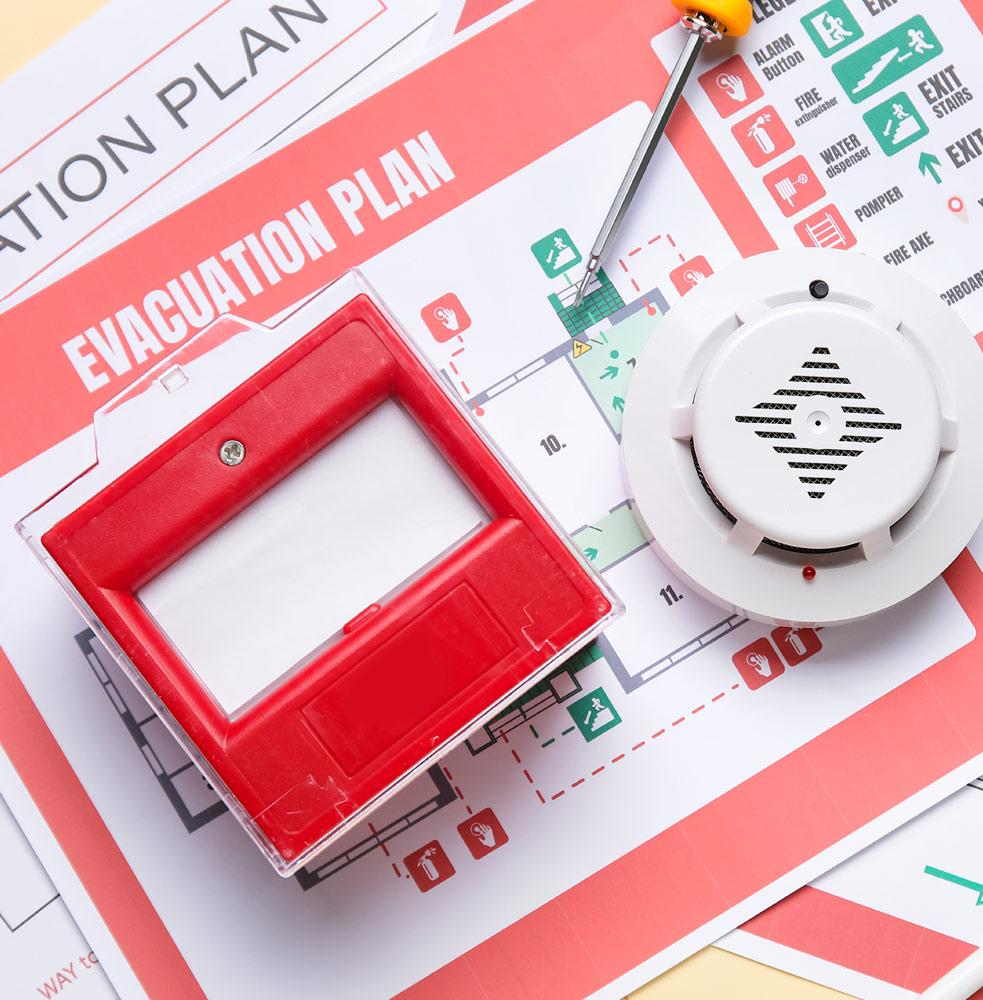
Emergency plans don’t matter if they haven’t been tested
Many organizations have emergency plans, but few test whether they reflect real hazards or how decisions are made under pressure. Untested plans quickly become outdated and ineffective.
Sparc strengthens emergency preparedness through hazard and risk assessments, continuity and resilience planning, and facilitates tabletop exercises that test real-world scenarios before an incident occurs. Our approach delivers:
- Clear understanding of credible risks
- Defined response roles and responsibilities
- Tested procedures that support continuity
Services
Get smoother approvals
Unclear or incomplete emergency plans often lead to review comments, resubmittals, and approval delays — whether with local authorities nationwide or agencies such as the FDNY and building departments in major jurisdictions. Sparc delivers clear, code-aligned emergency planning documentation structured for Authority Having Jurisdiction review. The result is smoother approvals, fewer comments, and reduced risk of delays or rework.
- Comprehensive Fire Safety / Emergency Action Plans
- Fire Safety & Evacuation Plans
- Emergency Management – Training & Tabletop Exercises
- Emergency Management – Planning and Assessments
- Business Continuity Planning and Risk Assessments
- Fire Protection Plans
- Tenant Protection Plans
- NFPA 241 Construction Fire Safety Plans

Frequently asked questions
Get answers to commonly asked questions related to emergency planning:
Sparc’s Professional Engineers assess your existing building or construction project using diverse technical knowledge and experience navigating NYC building and fire codes. We help you identify and address any violation risks, and prepare floor plan drawings, a narrative description of your building and its systems, Building Information Cards (BIC), and any other plan-specific information you need to account for.
We have longstanding relationships with the New York City Department of Buildings (NYCDOB) and the New York City Fire Department (FDNY) and know exactly what they look for. We help you ensure that all documents you file meet the requirements of the Authorities Having Jurisdiction (AHJ), so you can get timely approval and proceed with your project as planned.
Yes. Sparc provides emergency planning services nationwide for both public and private sector clients. Our work includes emergency response and evacuation planning, NFPA 241 construction fire safety plans, hazard and risk assessments, business continuity and operational resilience planning, and facilitated tabletop exercises. While we are experienced with jurisdiction-specific requirements in major cities, our approach is adaptable to local codes, AHJ expectations, and project-specific risks anywhere in the country.
A TPP is required whenever construction, alteration, or partial demolition occurs in a building with at least one occupied dwelling unit. To ensure tenants remain healthy, safe, and protected during active construction, you must clearly state your project’s intent and address seven key areas:
- Egress routes
- Fire safety
- Health requirements (ie, dust and debris control, as well as sufficient lead and asbestos disclosures)
- Compliance with housing standards
- Structural safety
- Noise restrictions
- Maintaining essential services
Under Chapter 4 of the NYC Fire Code, most new and existing buildings, depending on size, use, and occupancy, must maintain either a Fire Safety & Evacuation Plan (FSEP) or a Comprehensive Fire Safety & Emergency Action Plan (CFSEAP).
The requirement for providing a Comprehensive Fire Safety and Emergency Action Plan (CFSEAP) versus providing a Fire Safety and Evacuation Plan (FSEP) can be complex to determine. The applicable edition of the New York City Fire Code, the status of the current rule-making procedures, and the occupancy type all factor into establishing the exact plan type required. While the content of the CFSEAP and FSEP is similar, the CFSEAP also requires additional detail for types of emergencies, staffing (Fire Safety Directors, Deputy Fire Safety Directors, etc.) and training.
Contact us today to discuss your building and establish the appropriate plan type.
Per Article 109 of the General Administrative Provisions of the NYC Construction Codes, an FPP is required for the following buildings:
-
-
- High-rise buildings as described in section 403 of the New York city building code.
- Occupancy groups B, E, F, H, M, or S occupying two or more stories with over 20,000 gross square feet (1858 m2) of floor area per floor, or occupying two or more stories in a building with a total floor area exceeding 50,000 gross square feet (4645 m2).
- Any building containing an assembly occupancy having an occupant load of 300 or more persons.
- Occupancy group I or R-1 occupying two or more stories and containing sleeping accommodations for 30 or more persons.
- Occupancy group R-2 occupancies containing 30 or more dwelling units in a building where over 10,000 gross square feet (929 m2) of floor area is occupied by occupancy group A, E, M, or I.
- Covered mall buildings and open mall buildings designed pursuant to section 402 of the New York City building code.
-
In order to obtain a final Certificate of Occupancy, FPPs must be approved.
An NFPA 241 plan is a construction fire safety plan required when buildings are under construction, demolition, or major renovation and permanent fire protection features are impaired or not yet operational. The plan addresses temporary fire protection measures, fire watch procedures, emergency response actions, and responsibilities during construction activities. Sparc develops NFPA 241 plans tailored to project scope and phasing, helping owners and project teams manage elevated fire risk, support inspections, and maintain life safety throughout construction.