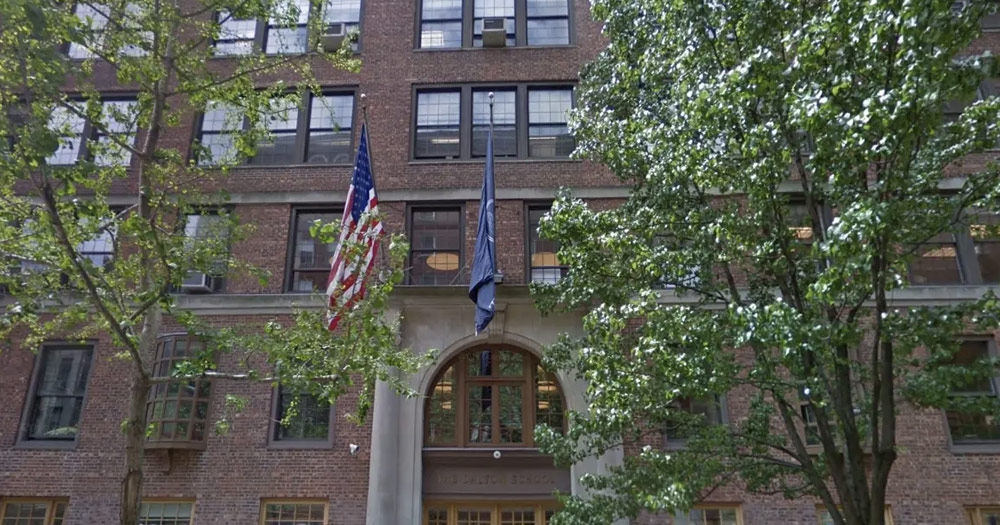
Fire protection engineering for education environments

Educational facilities are dynamic, multi-building ecosystems. Classrooms, laboratories, residence halls, assembly spaces, athletic facilities and administrative offices must operate under one coordinated life safety strategy. 

In these environments, fire alarms, sprinklers, smoke control, emergency communication, standby power and campus-wide notification systems must function as an integrated network. Sparc partners with K-12 facilities, universities and private institutions to engineer fire protection systems that protect students, faculty and staff while supporting operational continuity and regulatory compliance.

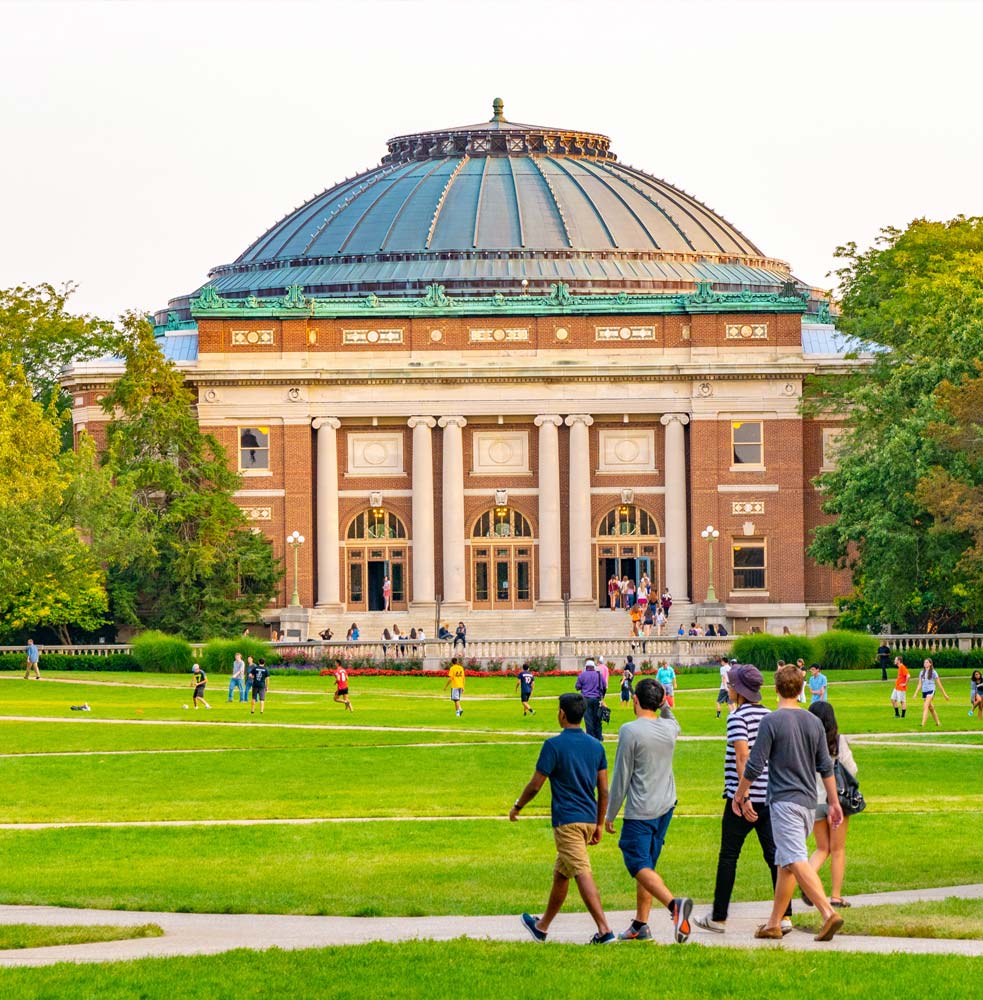
Students walking on college campus

Protect students, faculty, staff & campuses

Education environments present a distinct combination of risks:

  • High occupant density during peak periods
  • Young populations requiring clear evacuation strategies
  • Residence halls with sleeping occupancies
  • Science labs and STEM facilities
  • Assembly spaces, gyms, stadiums and auditoriums
  • Open campuses with multiple buildings

Fire protection strategies must also account for lockdown and emergency communication integration, phased evacuations and protection of high-value equipment and campus assets.

Sparc designs systems that support real-world campus safety without impeding day-to-day learning environments.

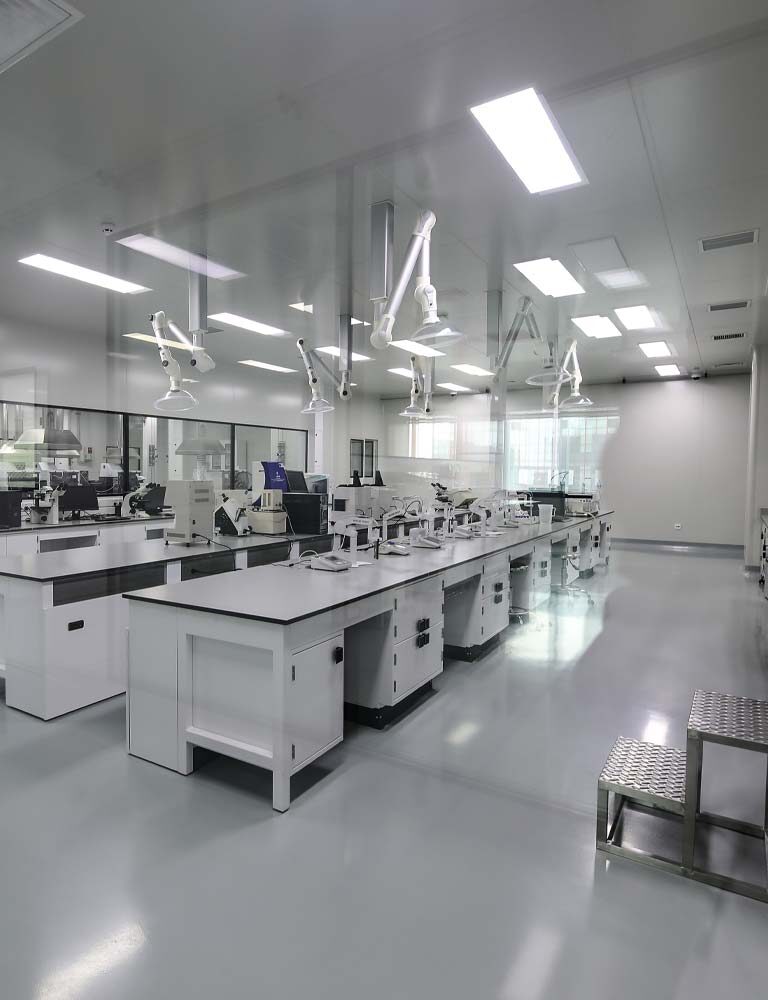
Empty lab at a school

Address multi-occupancy & campus-wide system complexity

Educational campuses frequently combine multiple occupancy types within single structures or across interconnected buildings. Common education fire protection challenges include:

  • Mixed assembly and classroom occupancies
  • Laboratory and research hazards
  • Atriums and large gathering spaces
  • Dormitory life safety requirements
  • Aging infrastructure with phased upgrades
  • Integration of building systems with campus-wide notification platforms

Sparc designs in alignment with:

Where prescriptive code does not account for campus configurations or evolving facility needs, we provide performance-based and equivalency strategies to maintain safety and compliance.

Protect campus operations without disrupting learning

Educational institutions rarely build from a blank slate. Projects happen in phases, around academic calendars, and inside occupied buildings. Fire protection upgrades must align with bond schedules, summer shutdown windows and strict reopening deadlines. Our team understands that missed reopening dates are not an option. We design solutions that meet code requirements while protecting academic continuity.

Sparc helps colleges, universities and K-12 districts:

  • Coordinate phased renovations across active campuses
  • Navigate AHJ approvals without delaying occupancy
  • Address aging infrastructure in historic or landmark facilities
  • Plan system upgrades around academic calendars and major events
  • Prioritize and schedule upgrades based on risk and budget
  • Supporting bond-funded and grant-supported projects

Services

Fire protection expertise for K-12 schools, higher ed & more

Sparc delivers comprehensive fire protection engineering services tailored to educational environments, where safety, regulatory compliance and academic continuity must align.

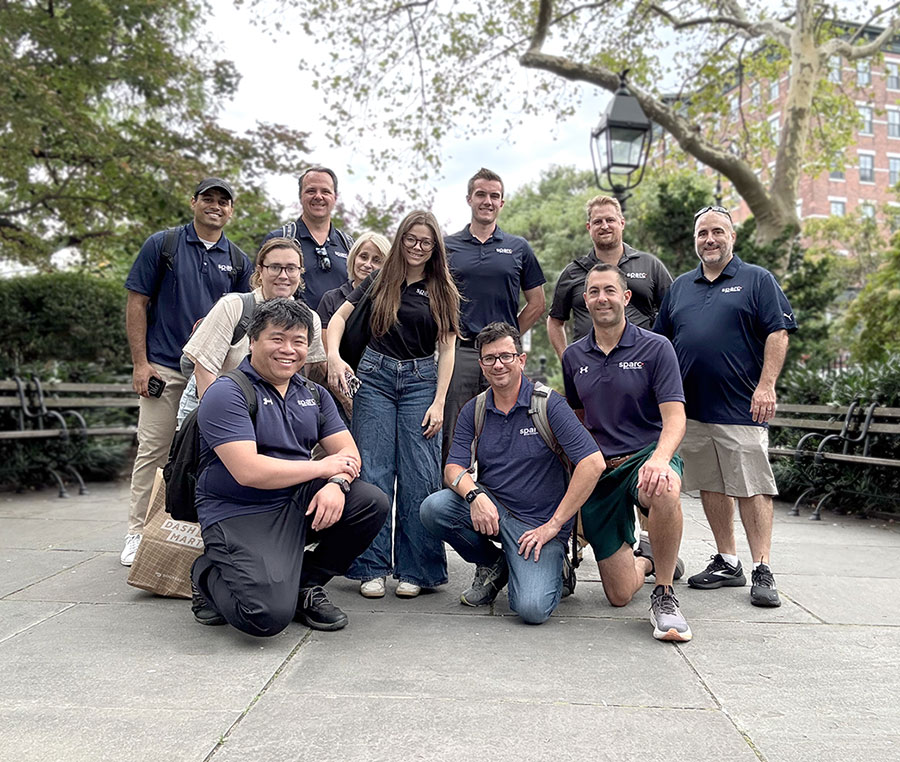
team photo

Why sparc?

Fire protection engineered for learning environments

From new campus construction to phased renovations in active schools, Sparc understands the operational pressures facing educational institutions: budget constraints, academic scheduling and public accountability. We help education clients:

  • Design integrated, compliant fire protection systems
  • Coordinate campus-wide life safety strategies
  • Meet AHJ expectations and regulatory requirements
  • Protect students, faculty and research assets
  • Maintain continuity of instruction and campus operations

Frequently asked questions

Get answers to commonly asked questions related to building and fire code consulting:

Educational facilities serve large and varied occupant populations, often including young children or residential students. Designs must support safe evacuation, campus-wide communication and integration across multiple occupancy types.

We design and coordinate systems that connect individual buildings into cohesive campus notification networks while maintaining compliance with NFPA standards and local requirements.

Yes. We routinely develop interim life safety measures that allow construction to proceed while maintaining safe conditions during school sessions.

Yes. We provide plan review support, technical responses and inspection coordination to streamline approval.

Yes. We offer peer review, performance-based analysis and special inspection services as required by code and AHJs.

Yes. The successful completion of a project begins with a great plan. Undertaking significant efforts in multiple campus buildings without an assessment of the existing systems or a plan for the end result can result in a disjointed approach. A master plan is important to be able to understand the needs of all the buildings, the preference for system capability and intercommunication, etc. We can perform these assessments and collaborate on the goals before design begins.