Fire protection engineering for energy storage & BESS

Energy storage facilities and Battery energy storage systems (BESS) require a fully integrated fire protection strategy. Detection, suppression, ventilation, monitoring, emergency response and other facility systems must operate as one coordinated risk management framework.

Sparc partners with BESS manufacturers, integrators, developers and building owners to engineer fire protection solutions that protect people, property and operational continuity. Through Sparc Energy, our dedicated emergency planning and response division, we bridge fire protection engineering with real-world incident preparedness and site resiliency.

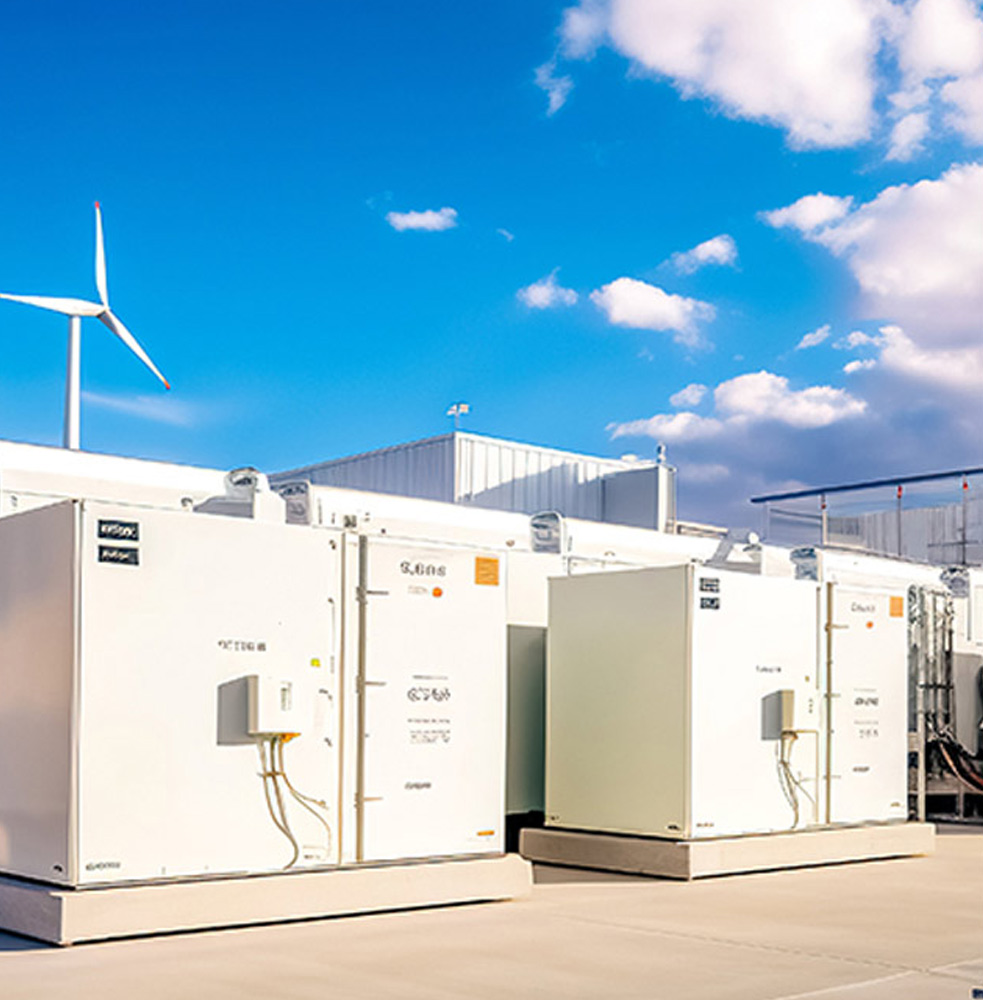
Outside energy storage containers with wind turbine in the background

Protect facilities, operators & surroundings

Energy storage facilities, whether utility-scale installations or commercial deployments, present a new set of fire risks and hazards. Thermal runaway, flammable gas release, delayed ignition and re-ignition potential require a proactive approach that integrates:

  • Early detection and off-gas monitoring
  • Fire control strategy
  • Ventilation and deflagration considerations
  • Emergency response coordination
  • Operational decision-making protocols

When systems are poorly integrated, risks extend beyond the battery container – impacting adjacent tenants, neighboring properties and community confidence. Sparc designs and communicates coordinated, defensible fire protection strategies that reduce risk across the entire site.

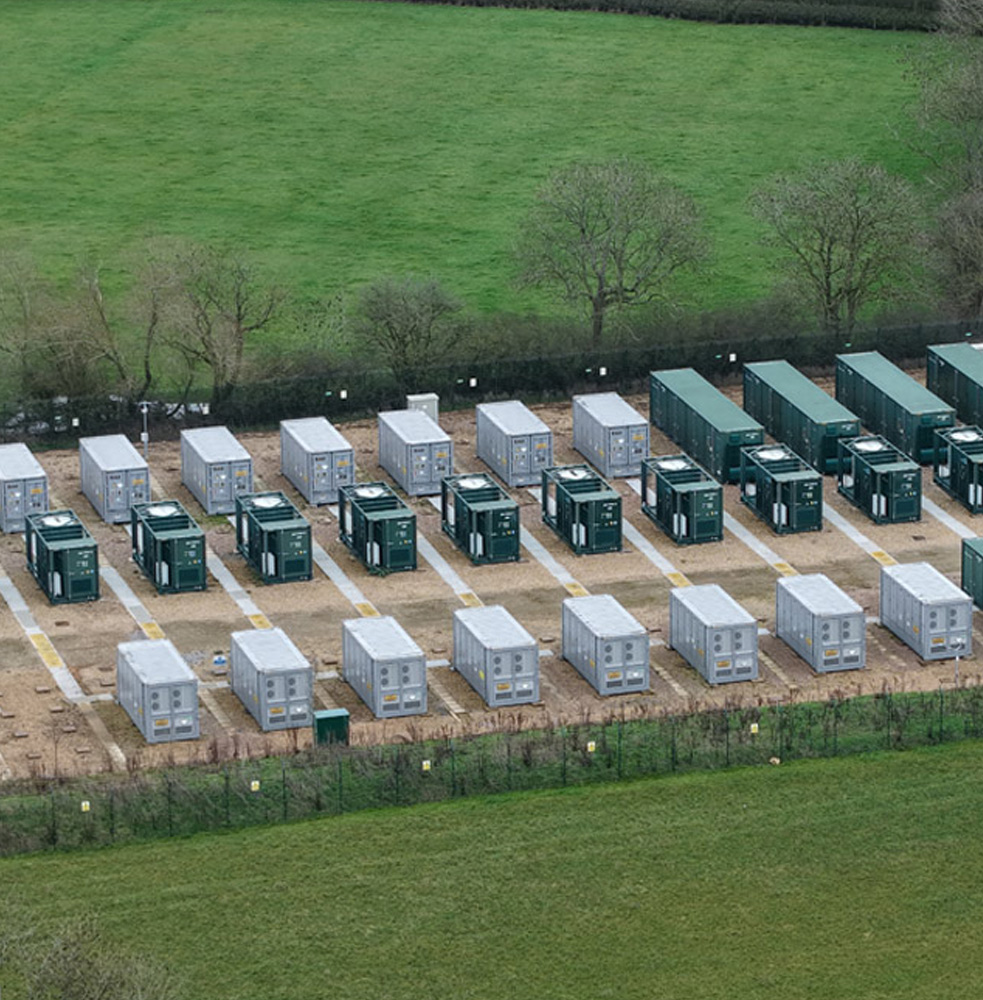
Wideshot of energy storage containers outside

Integrated protection for energy storage systems

Effective BESS fire protection ensures that all systems function together during normal operation and emergency events – not just checking code boxes. Our engineering approach coordinates:

  • Fire alarm and gas detection with ventilation and suppression
  • Emergency notification with operational shutdown procedures
  • Site electrical systems with emergency power and controls
  • Defend-in-place or evacuation procedures with real-world response timelines
  • AHJ review expectations with manufacturer performance data

We design in alignment with applicable code, regulations and standards, including:

  • NFPA 855 (Installation of Energy Storage Systems)
  • IFC 1207
  • UL 9540A testing methodologies
  • NFPA 13, NFPA 72 and related standards
  • Local AHJ amendments and utility requirements

When prescriptive code does not address site constraints or manufacturer limitations, we develop performance-based mitigation strategies supported by technical analysis.

Real-world fire protection expertise for battery energy storage systems

Energy storage systems operate in an emerging environment where technology is advancing faster than long-term field data. Design decisions made early can significantly affect system performance, incident behavior, insurability and public confidence. In this evolving sector, practical experience and sound engineering judgment matter as much as technical criteria on paper.

Sparc brings real-world fire protection expertise to BESS projects, supporting both integrators and facility owners with disciplined, experience-based guidance that reflects how these systems behave outside of controlled test conditions.

Our specialists support both providers and facility owners by:

  • Interpreting and applying BESS-specific code requirements
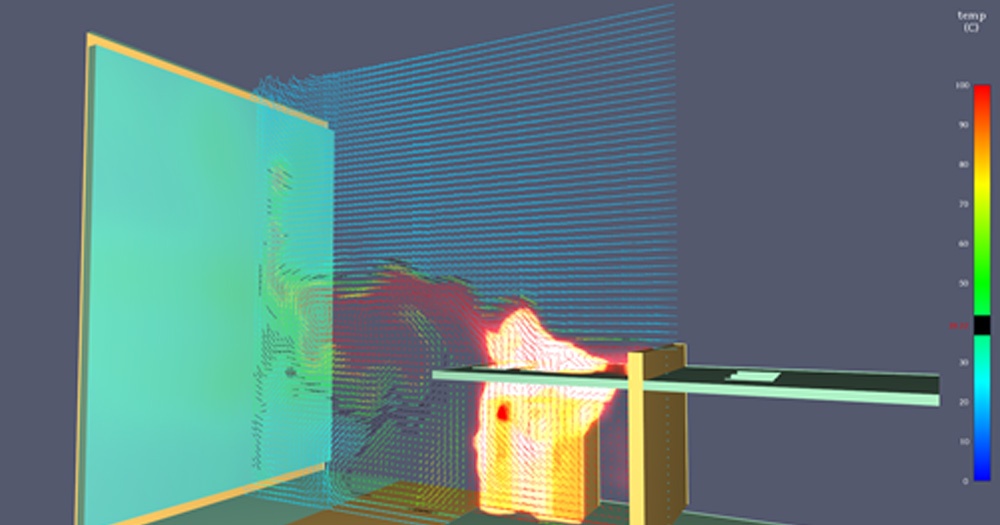
  • Evaluating thermal runaway propagation risks
  • Assessing gas generation and deflagration mitigation strategies
  • Reviewing UL 9540A data within real-world site contexts
  • Supporting AHJ plan review and technical discussions
  • Identifying risk exposure early in design
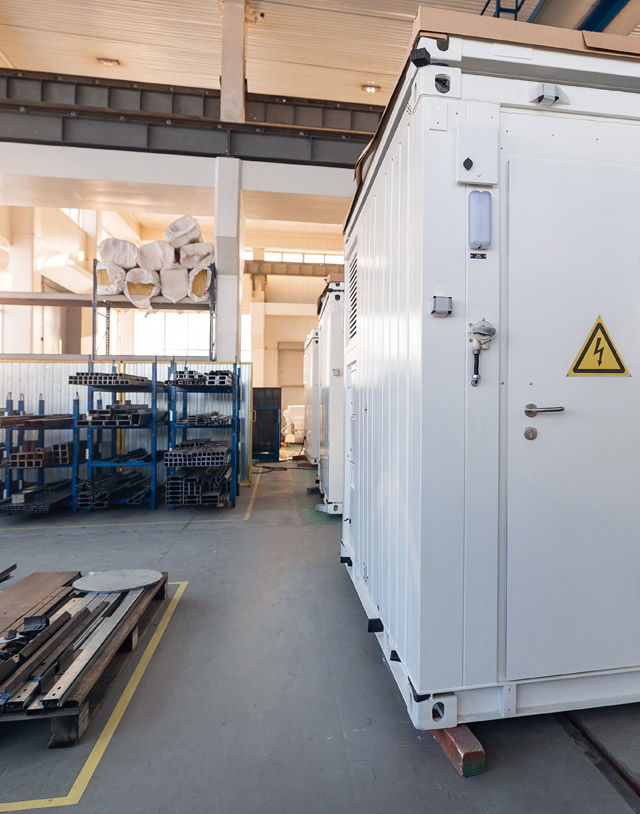
Energy storage interior

Align fire protection & emergency planning with Sparc Energy

Fire protection engineering alone is not enough. Energy storage facilities require coordinated emergency management strategies that account for first responders, facility operators and community safety. Through our Sparc Energy brand, we provide:

  • Emergency Management Plan (EMP) development
  • Hazard Mitigation Analysis (HMA) support
  • First responder coordination and training planning
  • Site access and pre-incident strategy development
  • Post-incident monitoring and recovery planning
team photo

Services

Integrated engineering trusted by regulators and owners alike

Energy storage projects are often under heightened scrutiny from AHJs, utilities, insurers and the public. Sparc brings structured, defensible engineering to help both providers and building owners move forward with clarity and confidence. We help clients:

  • Design integrated fire protection systems
  • Meet evolving AHJ expectations
  • Support utility-scale and commercial deployments
  • Protect surrounding assets and communities
  • Maintain regulatory readiness and operational continuity
  • Support projects from early concept through commissioning and operational planning

Frequently asked questions

Get answers to commonly asked questions related to building and fire code consulting:

BESS incidents may involve thermal runaway, flammable gas release, propagation between battery modules and delayed re-ignition. These behaviors require integrated detection, suppression, ventilation and emergency planning strategies beyond conventional fire protection approaches.

Both. We support manufacturers, integrators and EPC teams as well as commercial building owners, developers and utilities hosting energy storage systems.

Sparc Energy focuses on emergency planning, hazard analysis, training,  and operational response. By combining engineering and emergency preparedness, we ensure site systems and response procedures function together under real-world conditions.

Energy storage systems are typically governed by NFPA 855, IFC, and UL 9540/9540A testing standards, along with related NFPA fire protection codes and local amendments.

Yes. We regularly participate in technical discussions with fire departments, building officials and regulators to provide defensible technical justification and streamline approval.