Fire protection engineered for life science & technology facilities

Sparc helps life science companies, research laboratories and advanced technology facilities design and implement fire protection systems that safeguard people, protect intellectual property and maintain operational continuity. From wet labs and cleanrooms to advanced manufacturing spaces, STEM facilities present complex and high-consequence fire protection challenges. Our specialists deliver engineered solutions built on real-world experience, not generic templates.

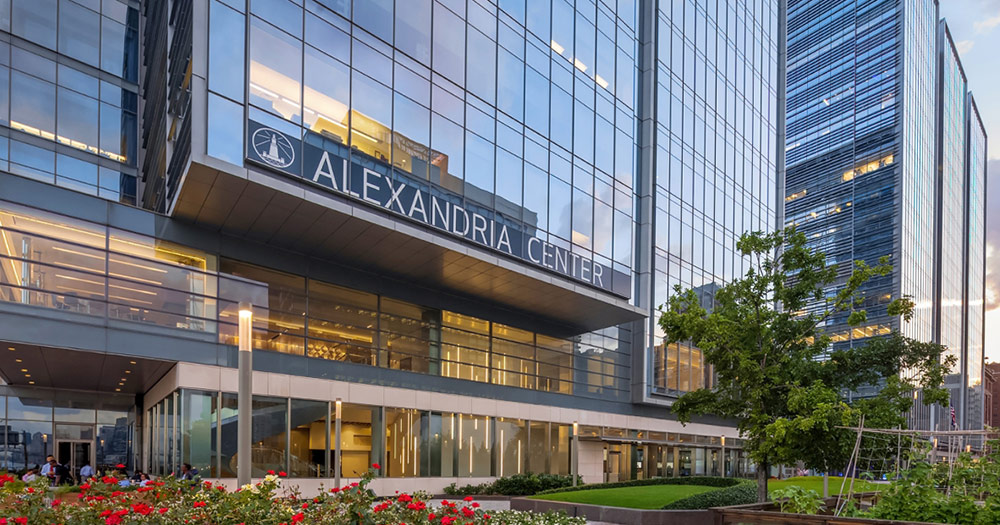
The front of a science building

Protect research, assets & mission-critical operations

Life science and technology environments demand far more than basic code compliance. Hazard classifications shift from room to room. Equipment is sensitive to water discharge. Clean agents, specialty gases and hazardous materials introduce layered risk profiles. Sparc designs systems that address:

  • Wet chemistry labs and solvent storage areas
  • Cleanrooms and controlled environments
  • Vivariums and specialty occupancies
  • Pilot plants and scale-up manufacturing
  • High-value instrumentation and data infrastructure
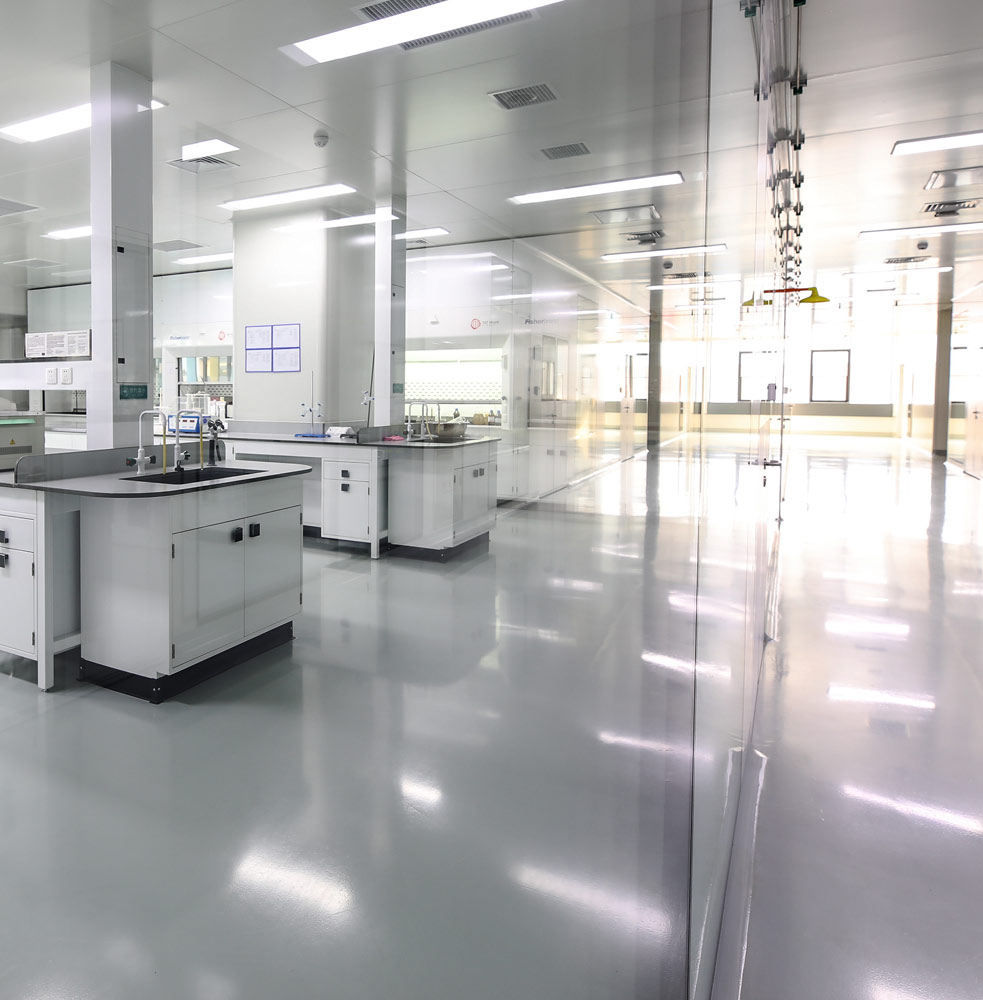
Laboratory inside

Integrated systems for complex building environments

In life science and tech facilities, fire protection does not operate in isolation. Detection, suppression, exhaust, gas monitoring and emergency power systems must function as a coordinated whole. Our team evaluates and engineers integration between:

  • Fire alarm and detection systems
  • Clean agent and pre-action suppression systems
  • Laboratory ventilation and exhaust systems
  • Hazardous material controls
  • Emergency power and life safety systems

The result is a system that performs as designed under real operating conditions — not just on paper.

Code strategy and fire protection leadership for complex STEM environments

Laboratories, advanced manufacturing facilities and research campuses operate within evolving hazard classifications, mixed-use occupancies and active scientific programs. Fire protection decisions directly affect permitting timelines, commissioning schedules and operational continuity. Sparc provides engineering leadership that goes beyond baseline compliance. We coordinate early with design teams, EHS, commissioning consultants and AHJs to develop clear, defensible code strategies that align with research requirements and minimize disruption to active operations.

How our specialists support scientific environments:

  • Interpreting mixed-use laboratory, pilot plant and manufacturing code requirements
  • Validating hazard classifications, control areas and maximum allowable quantities
  • Coordinating fire alarm, gas detection, exhaust and emergency shutdown interfaces
  • Evaluating suppression strategies, including water-based, hybrid and clean agent systems
  • Evaluating fire risk and code requirements for dense ASRS environments

Services

Fire protection expertise for life science, research & advanced technology facilities

Sparc delivers comprehensive fire protection engineering services tailored to complex laboratory and STEM environments, where safety, compliance and operational continuity must align.

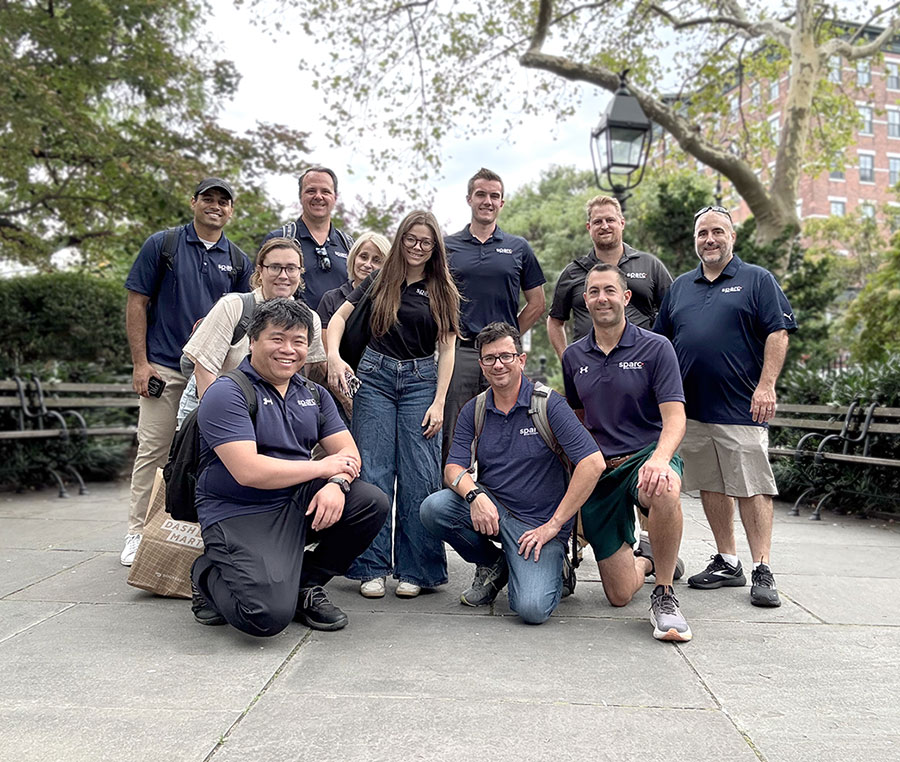
team photo

Why sparc?

Fire protection engineered for innovation environments

From new research campuses to cGMP manufacturing suites and semiconductor facilities, Sparc understands the operational pressures facing life science and technology organizations: regulatory scrutiny, validation timelines and protection of critical IP. We help clients:

  • Design integrated, compliant fire protection systems
  • Coordinate complex hazard classifications and control areas
  • Meet AHJ expectations and regulatory requirements
  • Protect researchers, engineers and high-value assets
  • Maintain continuity of research, production and data operations

Frequently asked questions

Get answers to commonly asked questions related to building and fire code consulting:

Laboratories, technology environments and data centers involve hazardous materials, sensitive equipment and shifting occupancies. Designs must address varying hazard classifications, integration with building systems and protection of high-value research assets.

We analyze control areas, maximum allowable quantities and storage configurations, coordinating with mechanical and architectural teams to align fire protection and ventilation strategies.

Yes. We routinely develop interim life safety measures that allow construction and reconfiguration while maintaining safe, compliant operating conditions.

Yes. We provide plan review support, technical documentation and inspection coordination to streamline approvals.

Yes. We offer third-party review, performance-based analysis and special inspection services as required by code and AHJs.