
Fire protection systems engineered to perform, not just comply
During an emergency, fire protection systems must function effectively. Sparc brings engineering expertise and construction oversight together to deliver systems that are coordinated, compliant, and built for real-world performance.
Fire protection systems that work together
Effective fire protection demands coordination between systems, trades, and project teams. Sparc designs and supports the full range of suppression and detection systems, ensuring they function as an integrated whole.
Systems we design and support include:
- Automatic sprinkler systems (wet, dry, preaction, deluge)
- Standpipe systems
- Fire alarm and mass notification systems
- Smoke control and smoke management systems (NFPA 92)
- Clean agent fire suppression systems (FM-200, Novec 1230)
- Water mist and water spray systems
- Foam fire suppression systems
- Fire pumps and water storage tanks
Coordination that prevents delays, rework & failed inspections
- Systems designed with constructability in mind to reduce field conflicts
- Early identification of trade conflicts that could impair functionality
- Clear coordination between interfaced systems (sprinkler, fire alarm, smoke control)
- Fewer change orders and schedule delays during construction

Construction oversight that translates design intent into installed performance
Quality design means nothing if it’s not executed properly in the field. Sparc stays involved throughout construction to catch deviations early, review submittals for compliance, and collaborate on solutions that keep projects moving forward.
Our construction support ensures:
- Shop drawings and submittals align with design intent and code requirements
- Site observations identify installation issues before they become inspection failures
- Quick responses to RFIs keep construction teams productive
- Pre-testing catches deficiencies before AHJ inspections

Thorough fire protection system testing
Sparc supports end-to-end system testing to verify that sprinklers, alarms, smoke control, and other components work together as designed. Our experience with AHJs helps streamline reviews, inspections, and approvals, reducing the time between installation and occupancy.
Our testing and commissioning enable the following advantages:
- Comprehensive pre-testing to identify and correct issues before official inspections
- Coordination with AHJs to facilitate smoother approvals
- Verification that the interfaced systems activate and respond correctly together
- Final documentation and turnover, so building operators have what they need

Defensible smoke control design, proven by testing
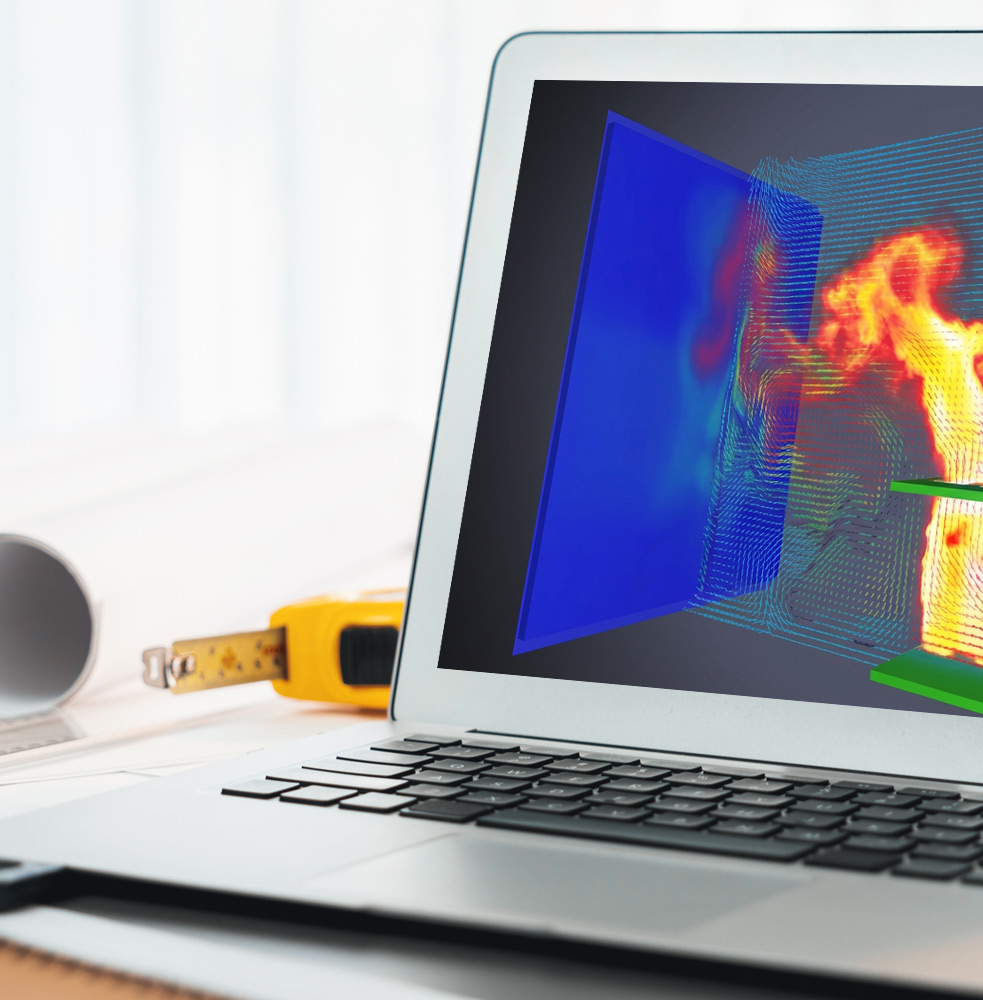
- Modeled, defensible smoke control strategies
- Optimized system sizing and pressure performance
- Verified integration during testing
- Reduced approval risk and smoother occupancy transitions
Process
Fire protection system expertise across the project lifecycle
Before installation
- Typically, projects begin with a kickoff meeting
- Review documents and meet with the client to understand project goals, risks, and applicable codes to establish design and performance objectives
- Develop fire protection designs to meet the code, be constructable, and allow for the owner or architect’s vision to be implemented
- Work directly with the project team to resolve coordination issues, including reviewing other design scopes of work for coordination (interfaced systems like sprinkler, fire alarm, smoke control, etc.), to ensure they are aligned
During construction
- Documents are usually submitted to an AHJ for review and approval. We update the drawings to respond to any questions from the AHJ during their review
- Review submittals, perform site observations, and verify installations meet the design documents and code. This includes responding to Requests for Information
Before occupancy
- Support and witness system testing, coordinate with AHJs, and confirm systems perform as intended. This is very important for end-to-end testing to ensure all interfaced systems work
- Assist with final documentation and turnover, so the end user has all the documents needed for their future use
Services
Extensive fire protection system services
- Fire protection system design for sprinklers, standpipes, fire alarms, and smoke control
- Performance-based fire engineering and modeling
- Construction administration and field oversight
- Submittal, RFI, and change review
- System testing, commissioning, and acceptance support
- Smoke control system design and testing (NFPA 92)
- Existing building fire protection, fire alarm evaluations, and compliance support
- Sprinkler hazard assessments and compliance verification
- High piled storge assessments
- Authority Having Jurisdiction (AHJ) coordination and approval support
- Specialty system consulting (e.g., clean agent, water mist, foam, BESS)
- Third-party review

Warehouse sprinkler system analysis
In line with applicable editions of NFPA 13 and NFPA 30, as well as the Connecticut State Fire Safety and Prevention Codes, Sparc proposed multiple compliant solutions that accounted for flexible storage arrangements in the future. Our experts performed hydraulic calculations and assessed for maximum allowable quantities to ensure adequate coverage and protection, and ultimately modified the sprinkler system and redesigned the piping and sprinklers.

Sprinkler & fire alarm system testing for a hotel
Sparc prepared sprinkler and fire alarm system design documents for contractor bidding and filed them with NYC Authorities, performed construction period progress observations, witnessed fire alarm system pre-testing, and attended final tests with the FDNY.

Complex entertainment building construction & expansion solutions
Because the Center has multiple exhibition halls with intricate airwall configuration capabilities, Sparc discussed solutions to complex phasing and code challenges with the FDNY, witnessed pre-testing, requested and attended FDNY inspections, and provided Remote Video Inspection (RVI) services for the final fire alarm inspection.

Smart fire protection engineering for mixed-use spaces
Sparc designed and filed fire alarm system modifications, handled retail tenant fit-outs, coordinated FDNY inspections and construction administration services: pre-tests to minimize Letters of Defect and updates to the Fire Safety and Evacuation Plan.

Battery energy storage system peer review
Sparc conducted a comprehensive peer review of the battery energy storage system, ensuring total compliance with NYC Fire Code and FDNY Rule 608-01. Our strict understanding of the FDNY Form TM-2 product submission process resulted in the successful issuance of the Certificate of Approval.




Frequently asked questions
We don’t have a standard approach that we try to fit your project into. Instead, our process is based on your needs. Our engineers stay involved from concept through final testing, not just design. We anticipate problems early, coordinate directly with contractors and AHJs, and deliver systems that are coordinated, compliant, and cost-efficient. Fire protection is all we do, so our code expertise comes from active practice, not just theory.
Systems must work during an emergency, not just meet drawings on paper. Our experience in designing and testing these systems ensures they’re practical but compliant. Quality design and oversight during construction ensure the design intent is properly translated into the field. Fire protection systems interface with other trades, such as fire alarm, smoke control, and more, and proper coordination prevents oversights that can cause delays or improper functionality. The better the design and installation, the more reliably systems perform over the life of the building.
Systems may not activate or perform as intended during a fire, putting occupants and responders at risk. Poor design or installation leads to noncompliance, delays in approvals, costly rework, and delayed revenue generation. Lack of coordination with other trades can block coverage, impair detection, or interfere with system operation. Issues discovered late result in change orders, schedule delays, and higher long-term maintenance costs. Improperly designed or installed systems are more prone to failures, false alarms, and premature replacement.
During design and installation, coordination between teams or contractors can cause noncompliance. Sparc works with architects, owners, general contractors, and fire protection vendors early to confirm documents are coordinated and collaborate on solutions. We review other design scopes of work to ensure interfaced systems like sprinkler, fire alarm, and smoke control are aligned. This prevents coverage gaps, blocked detectors, and installation conflicts that typically surface too late to fix efficiently.
Shop drawings are sometimes not aligned with project design intent or with Sparc drawings. We perform thorough shop drawing and submittal reviews to confirm proposed documents meet design intent, code compliance, and project requirements. When deviations occur, we work with contractors to bring installations back into alignment before they’re built incorrectly.
Buildings are not always built according to the plans. Through construction oversight and site observations, we identify deviations early and work collaboratively for correction. This approach prevents issues from becoming failed inspections or costly rework late in the schedule. Quality oversight ensures design intent is translated properly into the field.
Improper pre-testing is a significant issue we encounter. Performing our site visits and pre-testing allows us to become familiar with the system, spot deficiencies prior to AHJ inspection, and enable quicker approvals. This is particularly important for end-to-end testing, where multiple interfaced systems need to work together, including sprinklers, fire alarms, smoke control, and other components must activate and respond correctly as a coordinated whole.
Yes. New construction typically has more flexibility since it’s new and there are options to overcome construction difficulties. In renovations, space is usually more restricted and sometimes existing conditions can’t be verified until construction starts, which could require a change in the design approach. We’re experienced in both scenarios and adapt our process accordingly.
Sparc’s engineers specialize exclusively in fire protection and actively work with codes in practice, not just theory. We respond quickly to RFIs, submittals, and field questions to keep construction moving and avoid delays. Designs and submittals are reviewed with real-world installation in mind, reducing rework and field conflicts. We actively coordinate with architects, MEPs, contractors, and vendors to resolve issues before they become problems — it’s all about collaboration. Our experience working directly with Authorities Having Jurisdiction helps streamline reviews, inspections, and approvals. Sparc stays involved from design through final testing, ensuring systems don’t just comply, but perform.
While we work across all building types, our expertise is particularly strong in sprinkler systems, fire alarm systems, warehouse facilities, and energy storage applications, including battery energy storage systems (BESS). We’ve successfully delivered fire protection solutions for projects ranging from complex commercial buildings to specialized industrial facilities.